The Rarest and Most Valuable Pokemon Cards
Last updated: February 2026
| # | Card | Set | Market Price | PSA 10 | 30-Day Trend |
|---|---|---|---|---|---|
| 1 | Gyarados Star (Delta Species) | Holon Phantoms | $2,000 | $98,888 | +0.0% |
| 2 | Charizard Star (Delta Species) | Dragon Frontiers | $599.00 | $58,723 | +0.0% |
| 3 | Mew Star (Delta Species) | Dragon Frontiers | $1,700 | $57,500 | +0.0% |
| 4 | Poncho-wearing Pikachu - 230/XY-P (Japanese) | XY-P: XY Promos | $4,000 | $11,000 | +0.0% |
| 5 | Poncho-wearing Pikachu - 230/XY-P | XY Promos | $3,599 | $9,650 | — |
| 6 | Latios Star | Deoxys | $1,141 | $51,100 | — |
| 7 | Pikachu (1) | WoTC Promo | $27.64 | $750.00 | +0.0% |
| 8 | Pikachu Star | Holon Phantoms | $3,200 | $50,000 | +0.0% |
| 9 | Lugia | Aquapolis | $2,500 | $41,500 | +0.0% |
| 10 | Charizard | Deck Exclusives | $180.64 | $3,800 | +0.0% |
| 11 | Latias Star | Deoxys | N/A | $37,500 | — |
| 12 | Gengar (H9) | Skyridge | $7,386 | $34,905 | — |
| 13 | Charizard | Legendary Collection | $500.00 | $34,100 | +0.0% |
| 14 | Charizard (Japanese) | Mysterious Mountains | N/A | $24,000 | — |
| 15 | Rayquaza Star | Deoxys | $2,501 | $9,898 | +0.0% |
| 16 | Poncho-wearing Pikachu - 207/XY-P | XY Promos | $7,211 | $27,000 | — |
| 17 | Dark Dragonite | Legendary Collection | $509.99 | $26,000 | +0.0% |
| 18 | Vaporeon Star | Power Keepers | $457.00 | $1,075 | +0.0% |
| 19 | Charizard G | Supreme Victors | $94.24 | $24,950 | +0.0% |
| 20 | Mewtwo Star | Holon Phantoms | $2,002 | $24,500 | +0.0% |
1. Gyarados Star (Delta Species) (Holon Phantoms)
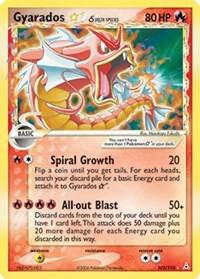
Gyarados Star (Delta Species)
Holon Phantoms · 102/110
Ultra RareMarket Price
$2,000
Low/High
$2,000 - $2,000
PSA 10
$98,888
30-Day Trend
+0.0%
2. Charizard Star (Delta Species) (Dragon Frontiers)
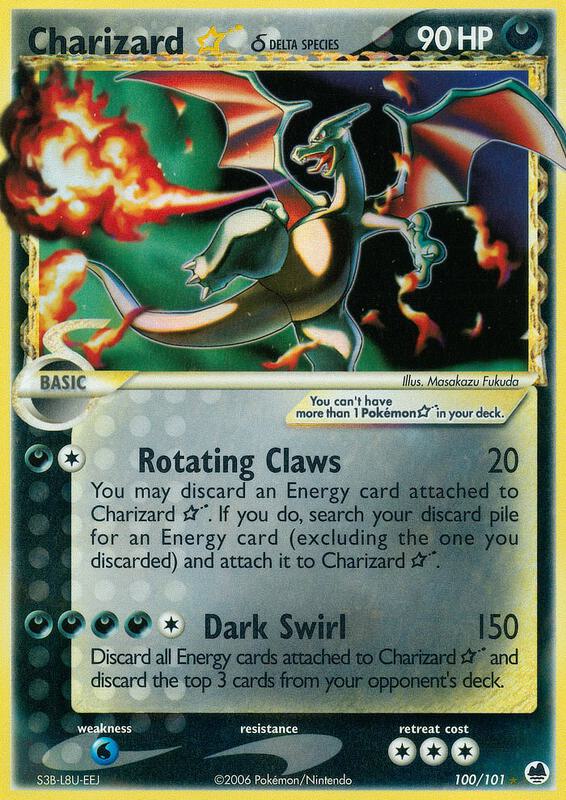
Charizard Star (Delta Species)
Dragon Frontiers · 100/101
Ultra RareMarket Price
$599.00
Low/High
$599.00 - $599.00
PSA 10
$58,723
30-Day Trend
+0.0%
3. Mew Star (Delta Species) (Dragon Frontiers)
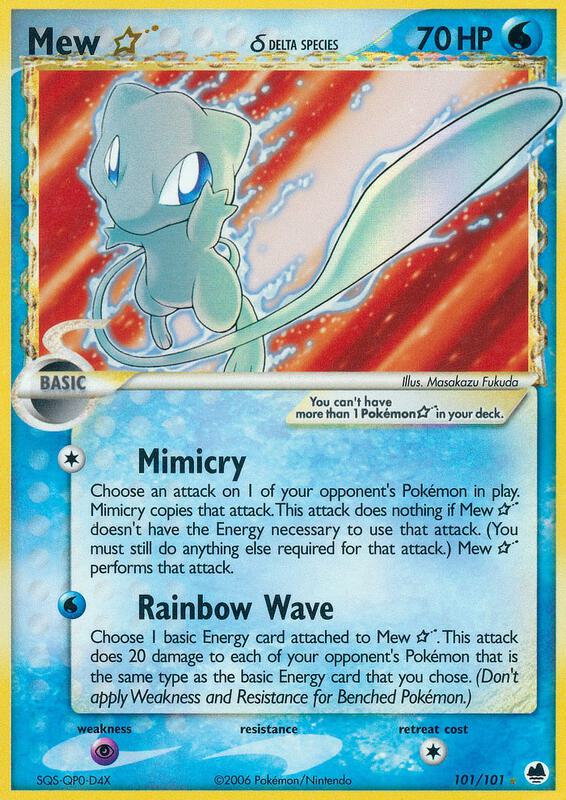
Mew Star (Delta Species)
Dragon Frontiers · 101/101
Ultra RareMarket Price
$1,700
Low/High
$1,700 - $1,700
PSA 10
$57,500
30-Day Trend
+0.0%
4. Poncho-wearing Pikachu - 230/XY-P (Japanese) (XY-P: XY Promos)
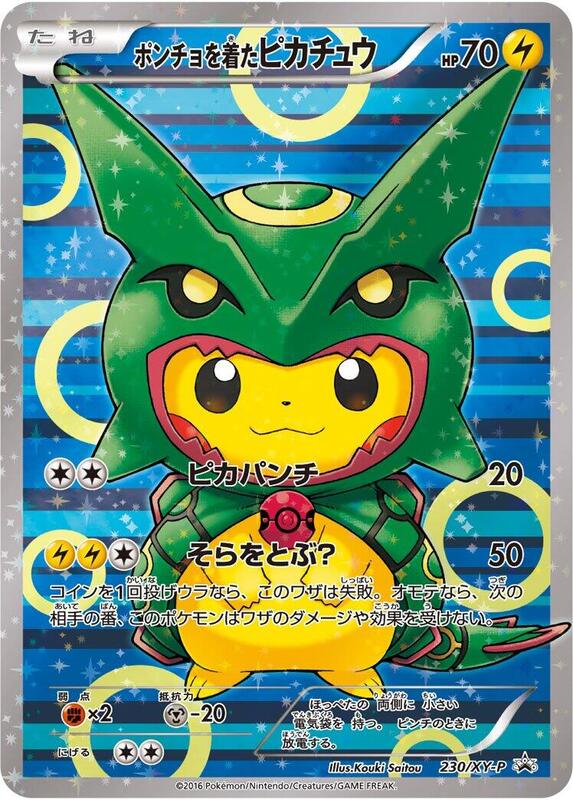
Poncho-wearing Pikachu - 230/XY-P (Japanese)
XY-P: XY Promos · 230/XY-P
CommonMarket Price
$4,000
Low/High
$4,000 - $4,000
PSA 10
$11,000
30-Day Trend
+0.0%
5. Poncho-wearing Pikachu - 230/XY-P (XY Promos)
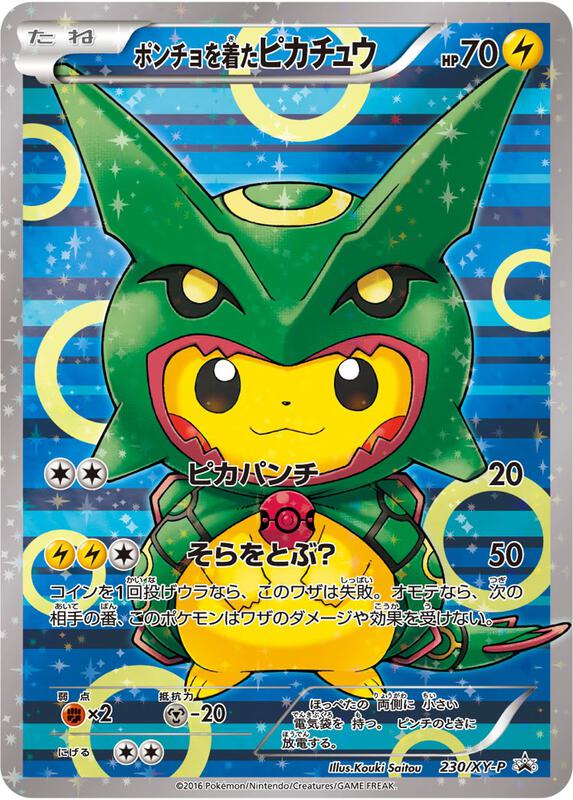
Poncho-wearing Pikachu - 230/XY-P
XY Promos · 230
PromoMarket Price
$3,599
Low/High
$3,599 - $3,599
PSA 10
$9,650
30-Day Trend
—
6. Latios Star (Deoxys)
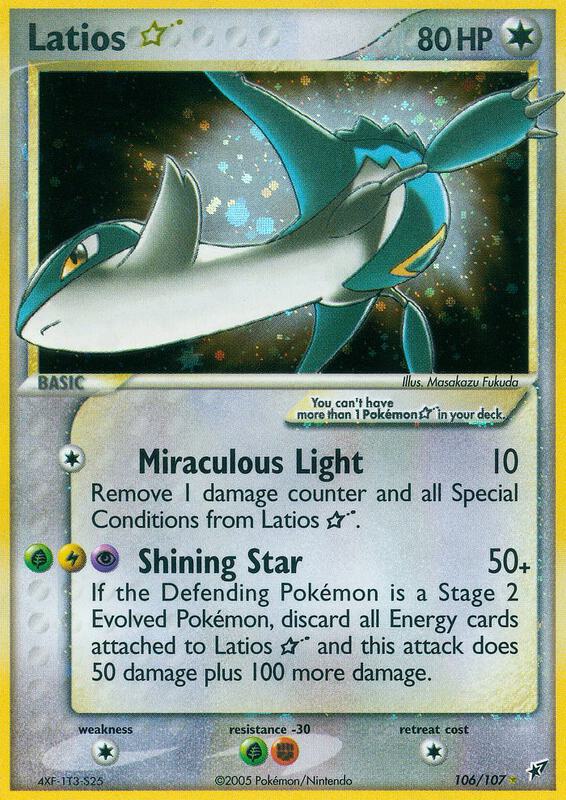
Latios Star
Deoxys · 106/107
Ultra RareMarket Price
$1,141
Low/High
$1,141 - $1,141
PSA 10
$51,100
30-Day Trend
—
7. Pikachu (1) (WoTC Promo)

Pikachu (1)
WoTC Promo · 01/53
PromoMarket Price
$27.64
Low/High
$25.76 - $38.00
PSA 10
$750.00
30-Day Trend
+0.0%
8. Pikachu Star (Holon Phantoms)
Pikachu Star
Holon Phantoms · 104/110
Ultra RareMarket Price
$3,200
Low/High
$3,200 - $3,200
PSA 10
$50,000
30-Day Trend
+0.0%
9. Lugia (Aquapolis)
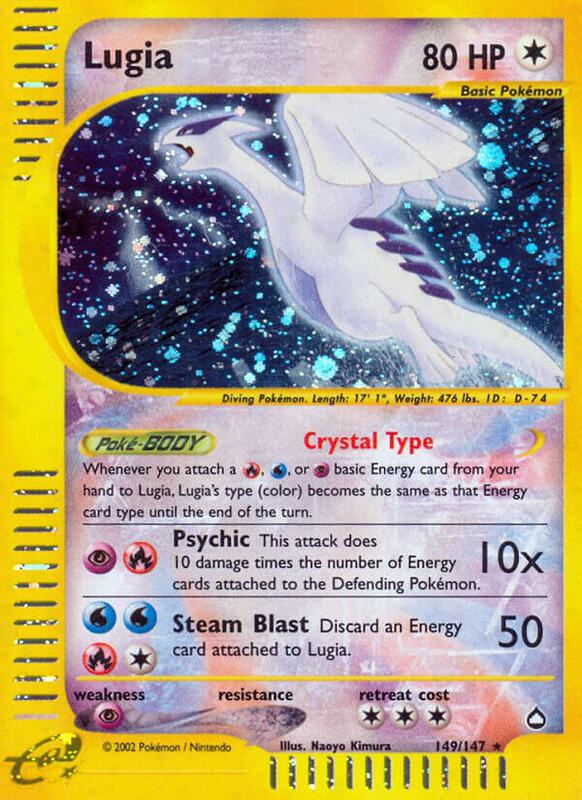
Lugia
Aquapolis · 149/147
Secret RareMarket Price
$2,500
Low/High
$2,500 - $2,500
PSA 10
$41,500
30-Day Trend
+0.0%
10. Charizard (Deck Exclusives)
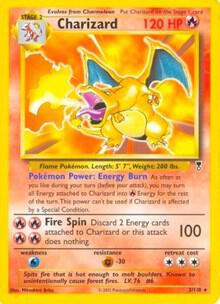
Charizard
Deck Exclusives · 003/110
RareMarket Price
$180.64
Low/High
$177.60 - $177.60
PSA 10
$3,800
30-Day Trend
+0.0%
The 10 Rarest Pokemon Cards Ever Sold at Auction
Every grail on this list is defined first by how few copies exist, and only second by its price tag. The scarcer the card, the harder collectors compete for it, and the higher the hammer falls. These ten rarest Pokemon cards have each crossed the auction block above $60,000, and the survivors at the very top are scarcer than most fine art. Ranked by confirmed public sales:
- 1. Pikachu Illustrator (PSA 10): $5,275,000: With only 20-39 copies ever distributed to CoroCoro illustration contest winners in 1998, this is the scarcest mainstream Pokemon card in existence, and the chase card that defines the entire hobby. A PSA 10 example is rarer still: a population of essentially one or two. The unique "Illustrator" banner replacing the usual "Trainer" line and Atsuko Nishida's pen-and-ink artwork make it unrepeatable. It sold in July 2023 and remains the undisputed king.
- 2. Pikachu Illustrator (CGC 9.5): $4,476,000: A second surviving copy, sold in 2022. That two examples of the same impossibly scarce card both cleared seven figures proves the value is structural, not a fluke. YouTuber Logan Paul bought this one and wore it as a pendant, dragging the card's legend into the mainstream. Together the two sales total nearly $10 million.
- 3. 1st Edition Base Set Charizard Holo (PSA 10): $420,000: The Base Set Charizard was printed in quantity, but only around 120 copies have ever earned a PSA 10 from the 1st Edition run, and that population barely moves year to year. Effective scarcity, not original print run, is what makes a gem-mint copy a six-figure chase card. Sold in March 2022.
- 4. Blastoise Presentation Galaxy Star Holo: $360,000: A literal one-of-one. This 1998 test print predates the finished Base Set and carries a Galaxy Star holo pattern that never reached retail. Wizards of the Coast made it as a pitch piece for North American retailers, so it is a prototype with a population of one.
- 5. 1st Edition Base Set Charizard Holo (BGS 10 Pristine): $399,750: A Pristine 10 demands perfect 10 sub-grades across centering, corners, edges, and surface, an almost unattainable bar. Only a tiny handful of 1st Edition Charizards have ever reached it, making this grade scarcer than the PSA 10. Sold January 2021.
- 6. Kangaskhan Family Event Trophy Holo: $150,000: Awarded at Japan's 1998 Parent/Child Mega Battle, with fewer than a dozen believed to survive. A trophy card tied to a one-off event, its scarcity is locked permanently: no more will ever be made.
- 7. 1st Edition Neo Genesis Lugia Holo (PSA 10): $144,300: Lugia is a perennial favourite, but the Neo era's notoriously poor print quality (surface scratches, print lines, rough cuts) means almost nothing survives at PSA 10. The single-digit gem population is why a pristine copy is a genuine grail.
- 8. No. 1 Trainer Super Secret Battle (PSA 10): $90,000: Only seven copies were handed to regional tournament winners in 1999. Labelled "No. 1 Trainer," it is one of the most elite prizes in the game, and finding one untouched after 25+ years is nearly impossible.
- 9. Gold Star Umbreon (PSA 10): $70,000: From 2005's POP Series 5, Gold Star cards (Pokemon breaking past the frame) had punishing pull rates. Umbreon's gem population is tiny, and the Eeveelution's enduring fandom keeps the chase fierce, especially since the Evolving Skies "Moonbreon" reignited demand.
- 10. Tropical Mega Battle Tropical Wind (PSA 10): $65,100: Roughly 12 English copies exist, handed only to invited junior players at the 2001 Hawaii event. As an invitation-only promo, it is one of the rarest English-language cards ever, and a PSA 10 is almost mythical.
These figures are peak confirmed public sales; the live market drifts up and down with demand, and private sales of the scarcest grails likely exceed some of these numbers. To see current values for any of these or a card in your own binder, visit our price checker.
The Scarcest Vintage Chase Cards (1999-2003)
Vintage cards from the Wizards of the Coast (WOTC) era are the backbone of serious collecting because their surviving population shrinks every year. They were printed for kids who played, traded, and trashed them, so two decades of attrition turned ordinary holos into scarce collectibles. The era spans Base Set, Jungle, Fossil, Team Rocket, Gym Heroes, Gym Challenge, the full Neo run, Legendary Collection, Expedition, Aquapolis, and Skyridge.
Here are the vintage chase cards collectors hunt hardest, with multi-grade pricing so you can gauge where your own copies sit:
- Base Set Charizard Holo (1st Edition): PSA 10: $300,000+ | PSA 9: $15,000-$25,000 | PSA 8: $5,000-$8,000 | Ungraded NM: $2,500-$5,000. The most recognised chase card in the hobby. The 1st Edition stamp on the left of the frame is the single variant that separates this from its far more common Unlimited sibling.
- Base Set Charizard Holo (Unlimited): PSA 10: $5,000-$7,000 | PSA 9: $800-$1,200 | PSA 8: $400-$600 | Ungraded NM: $300-$500. Printed in the millions, yet gem-mint survivors are scarce because nearly every copy was played to death. This is effective rarity in action.
- Base Set Blastoise Holo (1st Edition): PSA 10: $30,000-$40,000 | PSA 9: $3,500-$5,000 | Ungraded NM: $800-$1,500. Often overshadowed by Charizard, but its PSA 10 population is actually lower, which is why many collectors consider it the quietly undervalued starter.
- Base Set Venusaur Holo (1st Edition): PSA 10: $15,000-$20,000 | PSA 9: $2,000-$3,500 | Ungraded NM: $600-$1,000. The least-chased of the original trio historically, but completing the starter set is a goal for many, and that demand is narrowing the gap.
- Shadowless Base Set Charizard Holo: PSA 10: $25,000-$50,000 | PSA 9: $5,000-$8,000 | Ungraded NM: $1,500-$2,500. The Shadowless print sits between 1st Edition and Unlimited (no drop shadow beside the art box) and is rarer than Unlimited. Many treat it as the value sweet spot of the chase.
- Neo Genesis Lugia Holo (1st Edition): PSA 10: $80,000-$145,000 | PSA 9: $5,000-$10,000 | Ungraded NM: $500-$1,000. The 1st Edition Lugia PSA 10 population is in single digits thanks to brutal Neo-era print quality, which is exactly why the chase is so extreme.
- Shining Charizard (Neo Destiny, 1st Edition): PSA 10: $25,000-$35,000 | PSA 9: $3,000-$5,000 | Ungraded NM: $800-$1,500. The Shining subset shows alternate-coloured Pokemon in full-body art; this black-and-crimson Charizard is the crown chase card of Neo Destiny.
- Skyridge Charizard Holo (H9): PSA 10: $15,000-$25,000 | PSA 9: $4,000-$7,000 | Ungraded NM: $1,000-$2,000. Skyridge's tiny print run makes its holos some of the scarcest WOTC cards, and the Charizard is the headline chase.
- Dark Charizard Holo (Team Rocket, 1st Edition): PSA 10: $10,000-$15,000 | PSA 9: $1,500-$2,500 | Ungraded NM: $200-$400. A long-time fan favourite whose 1st Edition gems are genuinely scarce. The "Dark" naming and shadowy art give it a cult following.
- Base Set Alakazam Holo (1st Edition): PSA 10: $12,000-$18,000 | PSA 9: $2,000-$3,000 | Ungraded NM: $300-$600. A must-have for serious Base Set chasers; its spoon-bending psychic art is instantly recognisable.
- Crystal Charizard (Skyridge, Reverse Holo): PSA 10: $30,000-$60,000 | PSA 9: $8,000-$15,000 | Ungraded NM: $2,000-$4,000. Crystal-type cards from Skyridge and Aquapolis are among the rarest vintage pulls. The full-face holo pattern is extraordinarily hard to find clean.
The vintage chase rewards patience and condition above everything. A played 1st Edition might fetch $20 while a gem copy reaches tens of thousands, because the supply of mint cards is finite and falling each year. If you suspect you are holding a clean vintage holo, evaluate it on our price checker before deciding whether to grade.
Modern Chase Cards Worth Pulling For (2020-2026)
Modern cards prove scarcity can be engineered as well as inherited. Sets like Evolving Skies, Brilliant Stars, and Scarlet & Violet 151 bury their best art behind brutal pull rates, creating instant chase cards. The modern era invented the Alternate Art, Special Art Rare (SAR), Special Illustration Rare (SIR), and Illustration Rare (IR) tiers: full-bleed showpieces from top Japanese artists that appear only once in hundreds of packs. Here are the modern chase cards worth ripping for today:
- Umbreon VMAX Alt Art (Evolving Skies #215): PSA 10: $3,500-$5,000 | Raw NM: $400-$600. The undisputed modern grail, nicknamed "Moonbreon." Its moonlit rooftop art plus a punishing pull rate make it the single most chased card of the era. Value has held firm through every correction.
- Moonbreon (Umbreon V Alt Art, Evolving Skies #188): PSA 10: $1,500-$2,500 | Raw NM: $180-$280. The VMAX's companion Alt Art. Chasing both to display side by side is a goal for many collectors, which keeps the pair perpetually in demand.
- Charizard ex Special Art Rare (Scarlet & Violet 151 #199): PSA 10: $600-$900 | Raw NM: $250-$400. The headline chase of the nostalgia-driven 151 set, showing Charizard gliding through clouds. Demand from both veteran and new collectors keeps it scarce on the market.
- Rayquaza VMAX Alt Art (Evolving Skies #218): PSA 10: $700-$1,000 | Raw NM: $150-$250. The second-most-chased card in arguably the best modern set ever printed, trailing only Moonbreon.
- Mew ex Special Art Rare (Scarlet & Violet 151 #205): PSA 10: $300-$500 | Raw NM: $100-$180. A watercolour-style Mew that pairs scarcity with one of the franchise's most beloved Pokemon, a reliable chase combination.
- Gengar VMAX Alt Art (Fusion Strike #271): PSA 10: $500-$800 | Raw NM: $120-$200. A perennial fan chase, climbing steadily since release on the strength of its atmospheric shadow-lurking art.
- Charizard VMAX Rainbow Rare (Champion's Path #74): PSA 10: $400-$700 | Raw NM: $100-$180. Champion's Path had infamously thin pull rates and a small print run, manufacturing scarcity for its chase cards.
- Pikachu VMAX Rainbow Rare (Vivid Voltage #188): PSA 10: $600-$1,000 | Raw NM: $150-$250. The viral "Chonkachu," scarce enough and beloved enough to outrun most modern cards on price.
- Giratina V Alt Art (Lost Origin #186): PSA 10: $400-$600 | Raw NM: $80-$140. The Distortion World scene is one of the most striking Sword & Shield chase cards.
- Charizard ex SAR (Obsidian Flames #234): PSA 10: $300-$500 | Raw NM: $80-$150. The Scarlet & Violet era's first Charizard SAR; any Charizard chase card commands a premium, and the dynamic fire-breathing art delivers.
- Miraidon ex SAR (Scarlet & Violet Base #244): PSA 10: $200-$350 | Raw NM: $60-$120. The generation's flagship Legendary, its futuristic cityscape SAR a steady chase for set collectors.
Modern chase cards are still pullable at retail, which is part of the thrill, but pull rates around 1 in 300+ packs for the top SARs keep them scarce on the secondary market. The best of them (2021-2023 Alt Arts and SARs) have held or grown in value through multiple cycles, proving they are real chase cards rather than hype. For a full breakdown, use our price checker tool.
Sets That Pack the Most Chase Cards
Some sets are scarcity factories: they concentrate a disproportionate number of rare chase cards and tend to dry up fastest on the secondary market. If you collect with rarity in mind, these are the sets to target:
Vintage Sets (WOTC Era):
- Base Set (1999): The original chase set, home to the Charizard, Blastoise, and Venusaur holos. Sealed 1st Edition booster boxes have topped $400,000, and even loose packs fetch $1,000+ depending on the wrapper art.
- Neo Genesis (2000): Holds the 1st Edition Lugia, one of the scarcest non-promo grails. The Neo series introduced Gen 2 and keeps a devoted chase following.
- Neo Destiny (2002): Home of the Shining subset (Shining Charizard, Mewtwo, Gyarados): scarce, gorgeous, and chased in every grade.
- Skyridge (2003): The final, low-print WOTC set. Its Crystal cards (including Crystal Charizard) are among the rarest WOTC cards anywhere, and sealed product is nearly unobtainable.
- Aquapolis (2003): Another short-print WOTC sendoff. The Crystal Lugia and Crystal Ho-Oh are prized scarcity chases.
Modern Sets:
- Evolving Skies (2021): The densest modern chase set, stacked with Eeveelution Alt Arts (Umbreon VMAX and V, Rayquaza VMAX, Leafeon, Glaceon, and more). Sealed boxes have already doubled.
- Scarlet & Violet 151 (2023): A nostalgia set whose Charizard ex and Mew ex SARs are the headline chases, with huge crossover appeal pulling fresh collectors into the hunt.
- Champion's Path (2020): A small set with brutal pull rates that manufacture scarcity for the Charizard VMAX Rainbow and Shiny Charizard V.
- Hidden Fates (2019): Its Shiny Vault subset (30+ shiny cards) makes for an addictive chase, headlined by the Shiny Charizard GX.
To judge a set's chase potential, weigh three things: the strength of its rarest card (does it have a true grail?), print-run size (smaller runs go scarce faster), and nostalgic pull (original-151 Pokemon hold demand). Track any card from any set on our price checker.
What Makes a Pokemon Card Rare and Collectible?
Knowing why a card becomes a scarce chase card helps you spot grails hiding in your own collection. Several forces stack together, and the rarest cards almost always tick more than one box:
1. Print Run and Population
Scarcity is the foundation. Trophy promos like the Pikachu Illustrator exist in single-digit counts, pushing prices into the millions. But original print run is only half the story: population in collectible condition is what really matters. A card printed by the million can still be scarce if barely any survived clean, the principle of effective rarity that makes graded vintage holos so chased. Population reports from PSA and CGC are the collector's best scarcity gauge.
2. Pokemon Popularity
Scarcity sets the floor; demand sets the ceiling. Charizard dominates because everyone wants it, regularly commanding 2-5x a comparably scarce card of another Pokemon. Pikachu, Umbreon, Rayquaza, Mewtwo, Gengar, Lugia, Eevee, and Mew round out the high-demand roster. An equally scarce Kabutops or Hitmonlee will never chase like a Charizard.
3. Era and Nostalgia
WOTC-era cards (1999-2003) carry a heavy nostalgia premium because the kids who chased them are now adults with budgets. The Base Set sits at the top largely for this reason, and the same wave is now lifting ex-era (2003-2007) and Diamond & Pearl (2007-2011) chases as those generations buy back their childhood.
4. Edition and Print Variants
This is where casual collectors miss fortunes. A 1st Edition stamp, Shadowless border, or other variant can multiply value 10x or more. A 1st Edition Base Set Charizard is a $300,000+ PSA 10; the same card without the stamp is "only" $5,000-$7,000. Error cards, no-symbol misprints, and regional exclusives are other variant-driven scarcity chases worth learning to identify.
5. Artwork and Card Type
Alt Art, SAR, SIR, and Full Art cards are chased as much for beauty as scarcity: collectors want them on display, not in a deck. Standout pieces by Mitsuhiro Arita, Kouki Saitou, and HYOGONOSUKE are collected as miniature artworks, and the best art commands the steepest chase premiums.
6. Competitive Play Viability
A tournament-dominant card can spike, but the bump usually fades once it rotates out of legal play. Scarcity and art-driven collector demand outlast competitive demand almost every time, the exception being cards that are both meta-defining and beautiful.
7. Market Sentiment and Cultural Moments
Outside events move the needle hard. The 2020-2021 boom rode lockdowns, stimulus, and influencer openings; celebrity moments like Logan Paul's Illustrator pendant can spotlight a card overnight. These spikes are volatile but tend to recruit new chasers who stick around.
Curious how these forces shape a specific card? Check its current value on our price checker.
How Condition Turns a Common Card Into a Scarce One
Condition is the lever that converts a mass-printed card into a scarce, gem-population chase. The gap between mint and lightly worn can be thousands or tens of thousands of dollars precisely because so few copies survive at the top grade. Understanding the grading scale is essential for anyone hunting rare Pokemon cards.
PSA Grading Scale and Scarcity Impact:
- PSA 10 (Gem Mint): Perfect centering, no scratches, no whitening, crisp corners. Commands 5-10x ungraded NM, and 20x+ on high-end chases. Only 10-30% of well-kept submissions hit PSA 10, and under 5% for print-troubled vintage, which is exactly what makes the gem population so scarce.
- PSA 9 (Mint): Near-perfect, only the slightest flaw under magnification. Commands 2-3x ungraded. The sweet spot of grade quality versus attainability for most chasers.
- PSA 8 (Near Mint-Mint): A minor naked-eye flaw. Commands 1.5-2x ungraded. A respectable grade and good value on scarce cards where PSA 10s are out of reach.
- PSA 7 (Near Mint): Noticeable minor wear. Roughly ungraded NM value. Usually only worth grading on high-value cards needing authentication.
- PSA 6 and below: Visible wear, creases, or damage, typically 50-80% of ungraded NM. Only worth grading on genuine grails (1st Edition Charizard, Pikachu Illustrator) where even worn copies are scarce enough to chase.
Condition Issues That Kill the Chase:
- Edge whitening: White flecks along the edges from handling or rough cuts. The most common defect, easy to spot under good light.
- Surface scratches: Most visible on holos when tilted to the light. The leading reason vintage holos grade below expectation.
- Centering: Misaligned borders, measured by PSA as a ratio. 55/45 or better front and 70/30 or better back is the rough PSA 10 bar; worse than 60/40 front is penalised.
- Corner wear: Soft, dinged, or bent corners are major deductions and the first place wear shows.
- Creases and bends: Any crease drops a card to PSA 5 or below; even a light bend can cap it at 6-7. Check at eye level from the side.
- Print defects: Ink smudges, print lines, and roller marks from the factory, rampant in the Neo and e-Series eras and impossible for the owner to prevent.
Protecting scarce cards preserves their gem population status. Use penny sleeves inside top loaders, store cool, dry, and out of sunlight, and never use rubber bands or loose-ring binders. For $100+ cards, double-sleeve before grading; for high-value collections, add a fire-safe box and insurance.
Grading Companies Compared: PSA vs BGS vs CGC
Grading authenticates a card, seals it, and assigns the number that defines its place in the population report, which in turn drives its chase value. For your rarest Pokemon cards, picking the right grader matters. Here is how the three majors compare:
PSA (Professional Sports Authenticator)
The most recognised name in Pokemon and the one whose population reports collectors quote when judging scarcity. A PSA 10 typically resells 10-30% above a BGS 9.5 or CGC 10 of the same card on brand and liquidity alone. PSA uses a 1-10 whole-number scale (the Gem Mint 10 being the chase grade). Turnaround runs from 5 business days ($150/card) to 65+ days ($18/card). The safest choice for maximising resale on a chase card.
BGS (Beckett Grading Services)
BGS adds sub-grades for centering, corners, edges, and surface. Its Pristine 10 (all four sub-grades at 10) is the scarcest grade in the hobby; when a card earns it the premium can top PSA 10 by 50%+. A standard BGS 9.5, though, usually trails a PSA 10 on the Pokemon market. Favoured by collectors who want transparent sub-grade detail.
CGC (Certified Guaranty Company)
A newer entrant gaining ground on price and turnaround. CGC uses a 1-10 half-point scale with sub-grades. Its grades generally resell 10-20% below equivalent PSA, though the gap is closing. A solid choice for $50-$500 chases where grading-fee savings matter.
When to Grade and When to Skip:
- Grade if: The card is $50+ ungraded, looks excellent, and you plan to sell or hold. PSA is best for the chase cards you want to maximise.
- Skip if: Under $50, visibly worn, or not for sale. Fees plus shipping and insurance make it uneconomical.
- Consider BGS for: Cards that might hit Pristine 10, or when you want sub-grade detail.
- Consider CGC for: Mid-value cards where cost and speed beat the PSA premium.
Not sure a card is worth grading? Check its ungraded value on our price checker first, then weigh the gem-grade premium.
How to Identify the Rare Cards in Your Collection
Wondering whether your binder hides any rare chase cards? Here is a step-by-step process that works whether you have 10 cards or 10,000:
Step 1: Identify Your Cards
Check the bottom of each card for the set symbol and card number (e.g. "4/102" for Base Set Charizard). The rarity symbol sits there too: circle = Common, diamond = Uncommon, star = Rare. Holo rares, Full Arts, Alt Arts, Secret Rares, and SARs are the likeliest chases. On vintage cards, hunt for the 1st Edition stamp (a circled "1" on the left) and the Shadowless variant (no drop shadow beside the art) — these scarcity markers can multiply value 10x.
Step 2: Triage by Scarcity Markers
Before pricing everything, pull aside every holo, every star-symbol card, every 1st Edition stamp, and anything from Base Set, Jungle, Fossil, or Team Rocket. Add modern textured cards (SARs, SIRs, Alt Arts) and gold-bordered cards. These are your likely chase cards and should be checked first.
Step 3: Look Up Current Prices
Use our free Pokemon card price checker to search by name, set, or number. You will see live ungraded and graded prices, an instant read on whether a card is scarce or bulk. Match your card's condition to the right tier (PSA 10, PSA 9, ungraded NM, played) for a realistic estimate.
Step 4: Assess Condition Honestly
Inspect under bright direct light. Check all four corners for whitening, run a finger across the surface for scratches, tilt holos to reveal imperfections, and compare borders for centering. Be honest: most played or loosely stored cards are not mint, and only mint copies join the scarce gem population. If unsure, many local shops assess condition free.
Step 5: Decide Whether to Grade
If a card is $50+ ungraded and looks excellent (no whitening, scratches, or centering issues), grading may pay off. PSA, BGS, and CGC are the majors; PSA carries the most recognition and the highest premiums. Grading runs $15-$150+ per card. On $200+ chases, the gem-grade uplift almost always justifies the cost.
Step 6: Choose Your Selling Platform
eBay is the biggest market for singles, especially graded chases, with auctions that can push scarce cards above market. TCGPlayer suits ungraded cards. Local shops are convenient but pay 40-60% of value. Facebook groups and Reddit's r/pkmntcgtrades cut fees but need trust. For $1,000+ grails, auction houses like PWCC or Heritage Auctions attract serious chasers. Always compare on our price checker before accepting an offer.
Rare Pokemon Card Market Trends in 2026
The 2026 market keeps shifting, and scarcity remains the through-line. Here are the trends shaping which rare Pokemon cards are chased hardest this year:
Vintage Scarcity Tightens Further
After the 2020-2021 surge and 2022-2023 correction, vintage has stabilised and is climbing again. Base Set, Jungle, Fossil, and Neo holos in high grades are seeing renewed chase demand as long-term collectors stockpile grails. Gem-mint vintage population can only fall as cards are damaged, lost, or locked permanently into collections, so the scarcity story strengthens every year.
Modern Chase Cards Have Earned Their Status
The best 2021-2024 chases (Moonbreon, Charizard ex 151, Rayquaza VMAX Alt Art) held or grew despite overproduction fears. The deciding factor is art-driven scarcity: stunning low-pull cards hold, while ordinary cards of popular Pokemon do not. Art quality plus scarcity is the real driver.
Scarlet & Violet Chases Mature
The SV era's SARs and IRs carry some of the best art in franchise history. Chases from Paldea Evolved, Obsidian Flames, Paradox Rift, Temporal Forces, and Shrouded Fable are settling into long-term collectibility, with Charizard ex and Pikachu ex leading. Early SV sets are tracking the same scarcity arc Evolving Skies did.
Gem-Grade Premiums Keep Widening
The graded-versus-raw gap widened again in 2026 as buyers favour the certainty of a sealed, population-tracked card. For scarce cards in top condition, grading remains a key way to lock in chase value. PSA turnaround has improved to roughly 30-45 days for standard tiers.
Japanese Cards Climb the Want-Lists
Japanese cards are increasingly chased internationally for exclusive art, better print quality, and unique promos. Japanese Alt Arts and SARs often trade above their English counterparts now, helped by tighter QC that yields a higher gem-rate, even as it makes specific scarce variants harder to land clean.
Sealed Product as a Scarcity Play
Out-of-print sealed boxes, packs, and ETBs keep appreciating. An Evolving Skies box that was $140 now runs $350-$450; a Champion's Path ETB has gone $50 to $200+. Sealed product offers diversified, set-wide scarcity exposure but ties up capital and needs careful storage.
Stay on top of shifting prices on the price checker. Values move week to week with releases, auctions, and sentiment, and many collectors track scarcity trends with tools like Poketrace.
Are Rare Pokemon Cards a Good Long-Term Hold?
Pokemon cards have outpaced many collectible markets over the past decade, and scarcity is the reason serious money pays attention. But are the rarest cards a sound long-term hold? Here is a balanced look at rare Pokemon cards as a store of value:
The Case For Holding Rare Cards:
- Growing global fanbase: Pokemon is the highest-grossing media franchise ever ($150B+). Every new generation of fans becomes a future chaser, deepening demand for a fixed scarce supply.
- Proven 25+ year track record: A PSA 10 Base Set Charizard worth $500 in 2015 now runs $5,000-$7,000, a 10x decade. Even post-correction, prices sit far above pre-2020 levels.
- Scarcity that only deepens: Cards are lost and damaged over time, so the mint-condition population of any vintage chase only shrinks while demand grows. No one can mint more 1st Edition Charizards, a hard scarcity floor that stocks and crypto lack.
- Tangible, enjoyable asset: You can hold and display a chase card, a utility value that creates a demand floor purely financial assets do not have.
- Low correlation to traditional markets: Card prices have shown little correlation with stocks, bonds, or real estate, useful for diversification despite a limited data history.
- Growing infrastructure: Fractional platforms, indices, and grading services are bringing liquidity and stability to the scarce-card market.
Risks to Weigh:
- Illiquidity: Even scarce cards can take weeks or months to sell at full value, with 10-20%+ spreads on mid-tier pieces.
- Volatility: Values can swing 30-50% in a correction, as in 2022-2023. Only commit money you can hold through cycles.
- Reprints and oversupply: The Pokemon Company can reprint modern sets, diluting scarcity. Vintage is immune, a key reason it is the safer long-term chase.
- Grading costs and risk: Grading costs money and your card may grade lower than hoped, missing the scarce gem tier entirely.
- Storage and insurance: Scarce cards need climate control and insurance; $10,000+ collections carry real ongoing costs.
- Counterfeits: Sophisticated fakes are rising, especially for raw chase cards. Grading helps but adds cost; buy from reputable sources.
Best Chases for the Long Term:
For long-term holds, target low PSA 10 populations, iconic Pokemon (Charizard, Pikachu, Mewtwo, Lugia, Umbreon), vintage first editions, and modern cards with exceptional, widely loved art. Avoid bulk, mid-tier holos with no standout appeal, and cards riding only competitive relevance. The strongest holds combine scarcity, popularity, nostalgia, and beauty. Many collectors track appreciation with Poketrace.